The Rise of LMS Adoption: India & Global Trends 2026
Discover how the global LMS market is evolving for AI-powered LMS platforms in 2026. Explore trends shaping India, the US, the Gulf, and beyond.
What Is a Learning Management System (LMS) and Why Does It Matter in 2026?
A Learning Management System (LMS) is a platform that delivers, manages, and tracks learning online across schools, universities, and professional training programs.
In 2026, AI-powered LMS platforms are seeing rapid global adoption through digital infrastructure expansion, adaptive learning technology, and the need for scalable, mobile-first education systems.
"The real question is no longer 'how do we move learning online?'"
"It is 'how do we personalize education at scale and prove it is working?'"
What Is Driving Global AI-Powered LMS Adoption in 2026?
In 2026, AI-powered personalization and mobile-first access are the two biggest drivers of LMS adoption.
North America leads in adopting scalable LMS platforms across educational institutions. The Gulf region is accelerating fast across schools, universities, and government programs.
How Big Is the Learning Management System Market?
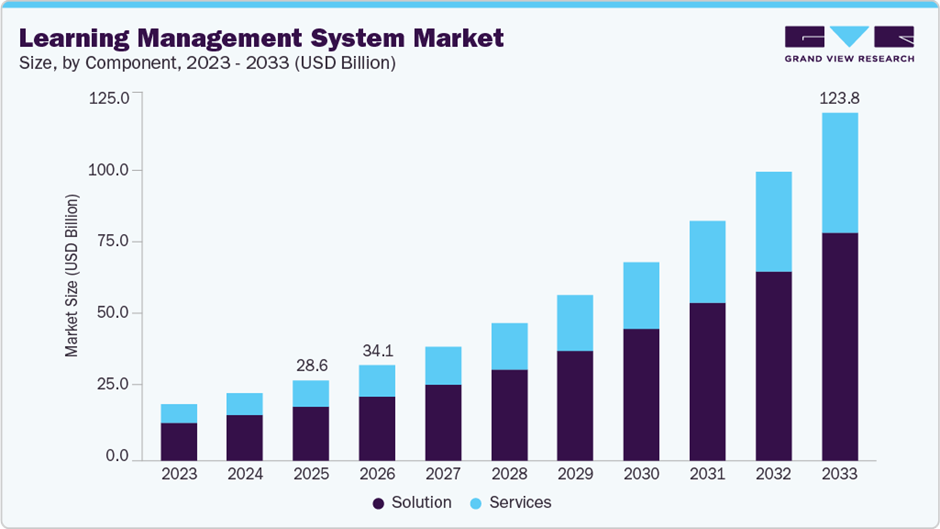
The global LMS market is valued at $36.9 billion in 2026, projected to reach $144.19 billion by 2035 at a 16.35% CAGR.
- Cloud Deployment: Cloud-based LMS deployments account for 57% of the global market, driven by the permanent adoption of hybrid learning across schools and organizations.
- India Market Expansion: India's EdTech market is valued at $5.55 billion, and LMS is projected to grow at 12.45% CAGR through 2031.
- Mobile-First Ecosystems: Asia Pacific, led by India, is the fastest-growing region. Over 81% of LMS usage in India happens on smartphones.
- Demographic Spending: Educational institutions account for over 40% of domestic LMS spending, with adoption spreading rapidly into Tier 2 and Tier 3 cities.
This is not incremental. It is a structural shift in how the world builds workforce capability.
The LMS Gap: What Buyers Are Really Looking For in 2026
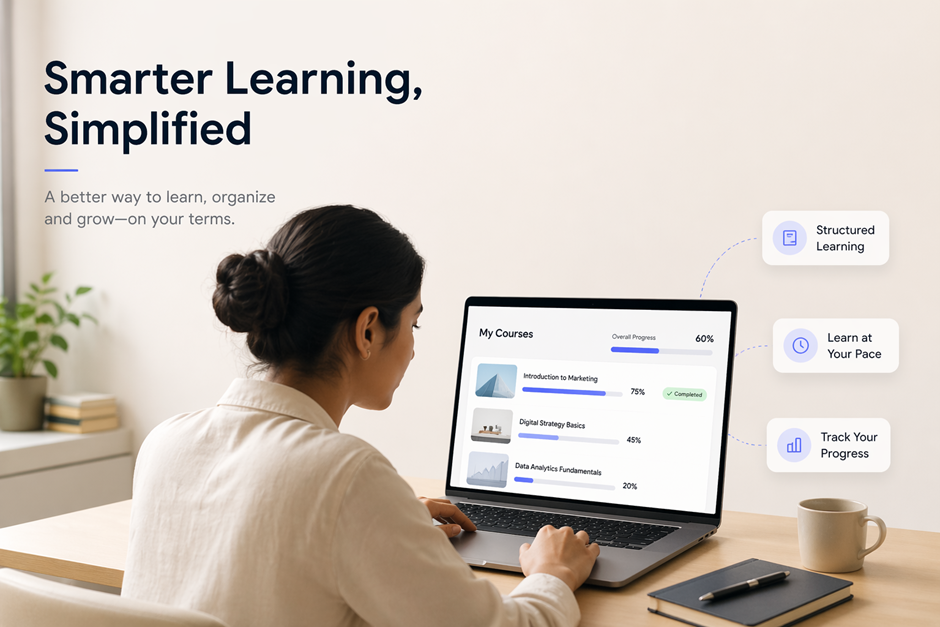
Modern LMS buyers across schools, universities, and organizations share requirements that legacy platforms consistently fail to meet.
Is AI in Learning Now a Standard Expectation for LMS Platforms?
School administrators, university leaders, and training directors need AI-powered LMS platforms that personalize adaptive learning paths, surface real-time learner insights, and reduce educator workload.
K-12 institutions prioritize AI quiz generator capabilities and student engagement tools. Universities focus on competency-based tracking and flexible degree progression. Professional programs require SCORM/xAPI compliance for certification documentation.
Organizations implementing responsive eLearning interface systems reported 25 to 30% improvement in learner retention rates.
What Is the Best Learning Management System in India for Mobile-First Education?
Platforms not built mobile-first are already behind. Students access lectures on smartphones, while teachers build courses using AI course generator tools on tablets. India's mobile-first LMS adoption is a leapfrog moment for schools and universities across urban and rural geographies.
Multi-tenant and white-label LMS architectures do not mean managing multiple platforms. A single LMS can accommodate each institution separately, connect to existing tools, and go live without a large IT team.
AI-Powered LMS Features Driving Adoption in 2026
Search interest in "mobile-first LMS" is up 60% year-over-year. Micro-credential searches have grown 38% globally.
Here is what AI-native platforms are actually doing:
Adaptive Learning
Adaptive learning paths that shift based on individual performance
AI Course Creation
AI-assisted course creation for faster content building
Predictive Analytics
Predictive analytics to catch disengaged learners early
Automated Recommendations
Automated recommendations that keep learners moving without manual curation
An AI-first learning management system like InstructoHub brings these features together in one system, cutting content-building time for educators while improving clarity for learners.
FAQs
Traditional, AI-powered, open-source, cloud-based, and mobile-first, each suited to different institutions from K-12 schools to universities and professional certification programs.
Hybrid learning is permanent. AI has matured rapidly, and institutions now expect continuous, measurable learning outcomes rather than static content delivery.
Education holds the largest share of spending. Healthcare, government, and professional certification programs show the highest adoption growth rates.
The best learning management system in India and Gulf markets is mobile-first, supports multilingual content delivery, integrates through open APIs, and includes AI-powered personalization for diverse learner populations.